Is Palliative Care the Same as End of Life Care?
When a loved one is living with a serious or life-limiting illness, it is natural for family members to research to get a further understanding of the right type of care for them. Two terms that are often confused with one another are palliative care and end-of-life care. Though they share similar goals and values, they are not the same. Understanding the distinctions between both types of care can provide reassurance and help families make informed decisions about the right care at the right time.
What Is Palliative Care?
Palliative care is a specialised form of support for people living with a life-limiting illness or incurable health condition. It focuses on managing pain and other symptoms while improving well-being and independence for as long as possible. This approach views health holistically, addressing both physical symptoms and emotional, social and spiritual needs. Palliative care does not mean that treatment for different conditions has stopped. In many cases, it is provided alongside other treatments that aim to prolong or stabilise life.
The palliative care team is made up of a diverse group of healthcare professionals, including nurses, doctors, social care professionals and therapists. Together, they create a personalised care plan that adapts as the resident’s condition progresses. This coordinated approach is what defines palliative care as it responds to every aspect of a person’s life with compassion, dignity and respect.
Residents receiving palliative care may experience conditions such as heart failure, cancer, or advanced neurological diseases. The care team works continuously to manage symptoms and provide emotional support to both the individual and their loved ones. The aim is to enhance residents' quality of life
What Is End of Life Care?
End-of-life care is a type of palliative care given during the final stages of life. It typically becomes the main focus when treatment is no longer controlling the illness and a resident is believed to be in their final months, weeks, or days. Like palliative care, the goal is always comfort and dignity, but at this stage, care is centred on providing peace and practical support as life comes to its natural close.
End-of-life care involves close collaboration between a resident’s healthcare team, family members and other care professionals. Every effort is made to manage pain and other symptoms effectively so each resident remains as comfortable as possible. Practical and emotional support is also offered to the family as they navigate this sensitive period.
This care often includes spiritual or psychological support, reassurance and guidance for both the resident and their loved ones. Each aspect is tailored to reflect individual beliefs and wishes, ensuring that their final chapter is treated with compassion.

The Difference Between Palliative and End of Life Care
While palliative care and end-of-life care share the same compassionate philosophy, the main difference lies in timing. Palliative care starts at any stage of a life-limiting or incurable illness, from diagnosis to when symptoms become too difficult to manage and can last for months or even years. Its focus is on symptom control, emotional resilience and maintaining or improving quality of life.
End of life care is different as it begins when a person is thought to be approaching the final stages of their illness. The emphasis shifts to comfort and ease rather than working towards recovery or improvement. It ensures that both the resident and their loved ones feel supported and informed during their final weeks or days.
Understanding this distinction helps families realise that palliative care is not only for the end of life but can significantly enhance well-being throughout the course of a long-term illness. Many residents receive palliative care for extended periods and their overall quality of life significantly improves as they are supported to live meaningfully with dignity and choice.
The Role of the Palliative Care Team
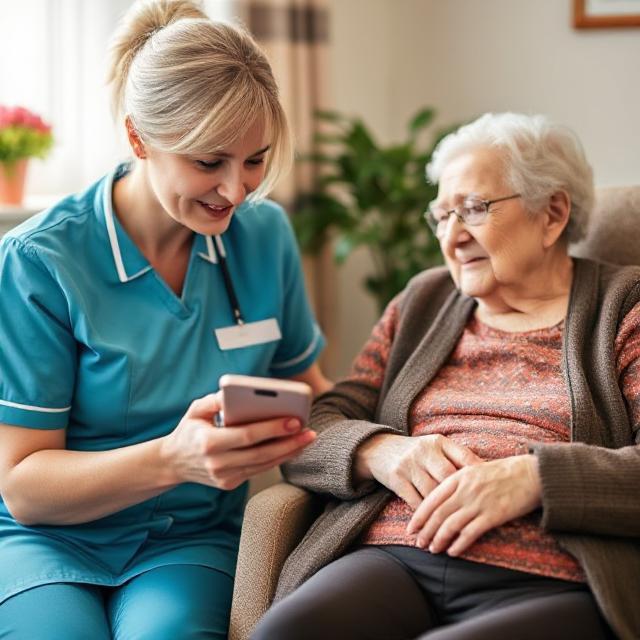
Delivering exceptional palliative care requires a multidisciplinary team. Nurses, doctors, community nurses, social workers and occupational therapists work collaboratively to meet the residents’ medical, emotional and social care needs. Each professional plays a specific role in managing symptoms and providing reassurance.
Nurses monitor health regularly, review digital care plans and provide personalised support. Doctors and other healthcare professionals contribute through their medical expertise and overseeing of treatments to ease distressing physical symptoms. Social care professionals provide practical assistance, such as helping families understand available support services or accessing financial support if needed.
Throughout the care process, communication remains a top priority. The care home team encourages residents and families to share their wishes and questions so that all care decisions align with these values. This approach fosters trust and supports both the individual and their loved ones at every stage of care.
Managing Symptoms and Providing Holistic Support
Both palliative care and end-of-life care rely on a holistic approach to supporting symptoms and well-being. The focus extends beyond pain control to addressing other physical symptoms and emotional needs to help residents receive the highest level of service possible.
Whether through faith-based practices, one-to-one conversations, or simply offering a calming presence, emotional and spiritual support can truly make a difference for residents. Psychological support also plays a vital role as it assists with feelings of sadness or fear that may arise as the condition progresses.
Palliative care professionals recognise that this time of life affects the entire family, so they provide reassurance for loved ones as well as bereavement support when needed.
Where Palliative and End of Life Care Are Provided
Both types of care can be delivered across different settings depending on the needs of the individual. Some receive support at home through community nurses and local care providers, while others may move to a care home or hospice where nursing support is readily available. In residential or nursing homes, residents benefit from the continuous presence of skilled professionals who can respond promptly to changes in their condition.
Care homes specialising in palliative care provide a safe, calm environment where residents can still continue to do what they love most with unlimited access to medical care when needed. This continuity ensures that transitions between palliative care and end-of-life care are smooth and seamless.
Palliative Care at Ridgeway Rise Care Home
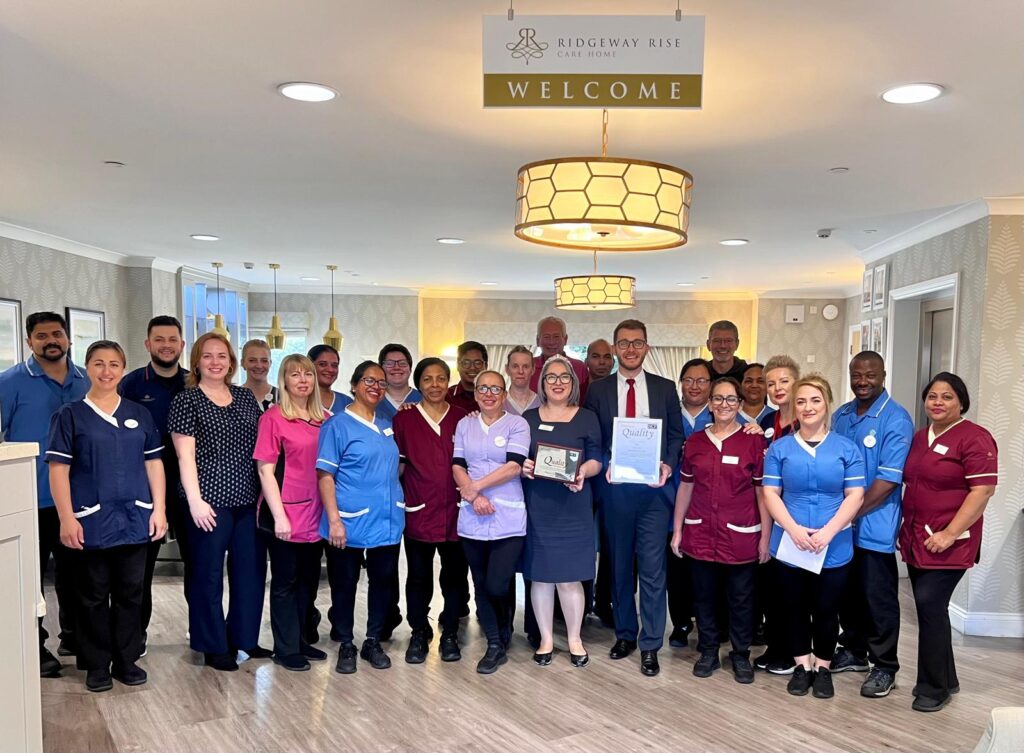
At Ridgeway Rise Care Home in Swindon, we recognise that palliative care and end-of-life care are deeply personal experiences that require sensitivity and expertise. Our dedicated care team is trained to provide holistic, personalised care that supports both residents and their families through every stage of their journey. We focus on comfort and dignity while respecting individual choices and beliefs.
Residents at Ridgeway Rise benefit from the highest standards of care, delivered by skilled nurses and healthcare professionals who have extensive experience in relieving symptoms and improving emotional well-being. We are proud to be the only care home in Swindon recognised with the Gold Standard Framework for palliative care, reflecting our commitment to excellence and our dedication to ensuring every resident receives the right care at the right time.
Alongside our care services, we have several in-house facilities for residents to use whenever it is most convenient for them. Whether they want to watch their favourite film in our cinema room, receive a pamper in our hair & beauty salon, enjoy a peaceful moment in our quiet lounges or watch the world go by in our landscaped gardens, there is something for everybody to enjoy.
To learn more about our palliative or end-of-life care or to come and see our luxury care home for yourself, get in touch. We look forward to meeting you.